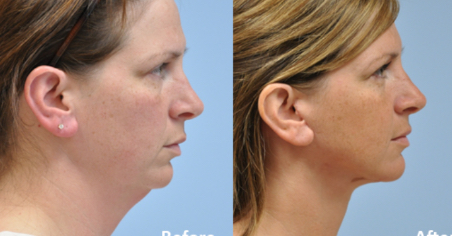
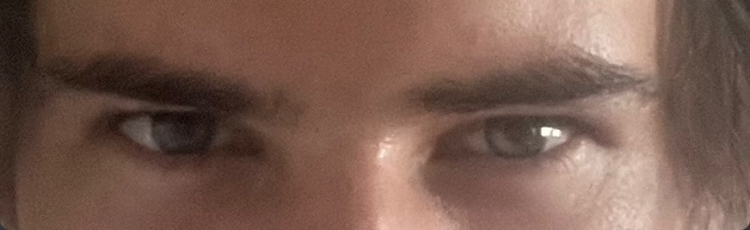
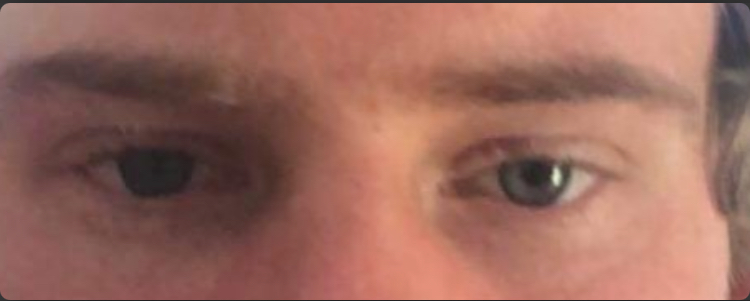
Theme tune of the thread
Surgery is the best way to ascend in looksmaxxing nothing can really match it.
In this thread I will go over the top 50 best surgeries. And go over there pros and cons, cost and much more
So sit back turn on the music and enjoy
Surgery is the best way to ascend in looksmaxxing nothing can really match it.
In this thread I will go over the top 50 best surgeries. And go over there pros and cons, cost and much more
So sit back turn on the music and enjoy
What each part outlines
Intro-
introduction of what the surgery does
Benefits-
What benefits you get from the surgery
Negatives-
Risks associated with the surgery
Cost-
What the range of costs it will be
Recovery
Expected recovery
An anecdote or general observation (or AI if I couldn’t find either) of what recovery will look like
Complication rate
Mortality rate and rate of complications
Results
Some examples of results
Conclusion
A rating out of 10 for all these factors
Effectiveness (potential of the surgery)
Ease of getting (how easy it’s to get)
Complication rate (how dangerous it is)
Cost (how expensive)
Overall (all factors taken into account)
Best Locations in general
1. Italy/ Germany/ London

 looksmax.org
How to speed up/ improve recovery (from @HighIQ ubermensch )
HGH + BPC-157 + GHK-Cu → Soft-Tissue Regeneration (Amplified)
Why:
• HGH / IGF pathways → ↑ collagen synthesis, ↑ tissue turnover.
• BPC-157 → accelerates tendon, ligament, and peripheral nerve healing; boosts angiogenesis; reduces inflammation (animal + preliminary human data).
• GHK-Cu → improves collagen remodeling, angiogenesis, and microcirculation.
Synergy: Creates a highly pro-repair environment for connective tissue.
2. Test E + GH (or GH analogs) → Muscle Maintenance / Anti-Atrophy
Why:
• Testosterone → preserves muscle mass & strength, counteracts disuse atrophy.
• GH → preserves lean mass & complements connective tissue repair.
Cautions:
• Test → ↑ hematocrit, transient ↑ VTE risk (esp. within first 6 months).
• GH → fluid retention, potential insulin resistance.
3. BPC-157 Solo → Tendon & Nerve MVP
Why:
• In animal models: speeds sciatic nerve regeneration, enhances tendon outgrowth, boosts angiogenesis, reduces inflammation.
• Rare peptide with direct peripheral nerve repair data.
Note: Human data sparse but promising.
I recommend,
— unless you’re genetic trash or a fossil fuel, this shouldn’t be a problem.
These will increase soft tissue repair by multiple folds.
Tho, nerve adaptation is not sped up that dramatically & it will be the main factor why you aren’t able to reduce the recovery time to below 7 months.
But your strength & function will be way better than if you don’t use these compounds, both during & after
Intro-
introduction of what the surgery does
Benefits-
What benefits you get from the surgery
Negatives-
Risks associated with the surgery
Cost-
What the range of costs it will be
Recovery
Expected recovery
An anecdote or general observation (or AI if I couldn’t find either) of what recovery will look like
Complication rate
Mortality rate and rate of complications
Results
Some examples of results
Conclusion
A rating out of 10 for all these factors
Effectiveness (potential of the surgery)
Ease of getting (how easy it’s to get)
Complication rate (how dangerous it is)
Cost (how expensive)
Overall (all factors taken into account)
Best Locations in general
1. Italy/ Germany/ London
- Cost- $$$ High
- Quality-
 High
High
- Cost- $$ Moderate
- Quality-
 Moderate
- Cost- $ Low
- Quality-
 Low
Low
Surgeons Archive Megathread
This megathread is aimed to gather all the information about surgeons and surgery prices across Europe, America and Asia. Whoever wants to collaborate to this thread should post information about surgery prices and surgeon reviews. I will add to the following list all the useful information you...
looksmax.org
How to speed up/ improve recovery (from @HighIQ ubermensch )
HGH + BPC-157 + GHK-Cu → Soft-Tissue Regeneration (Amplified)
Why:
• HGH / IGF pathways → ↑ collagen synthesis, ↑ tissue turnover.
• BPC-157 → accelerates tendon, ligament, and peripheral nerve healing; boosts angiogenesis; reduces inflammation (animal + preliminary human data).
• GHK-Cu → improves collagen remodeling, angiogenesis, and microcirculation.
Synergy: Creates a highly pro-repair environment for connective tissue.
2. Test E + GH (or GH analogs) → Muscle Maintenance / Anti-Atrophy
Why:
• Testosterone → preserves muscle mass & strength, counteracts disuse atrophy.
• GH → preserves lean mass & complements connective tissue repair.
Cautions:
• Test → ↑ hematocrit, transient ↑ VTE risk (esp. within first 6 months).
• GH → fluid retention, potential insulin resistance.
3. BPC-157 Solo → Tendon & Nerve MVP
Why:
• In animal models: speeds sciatic nerve regeneration, enhances tendon outgrowth, boosts angiogenesis, reduces inflammation.
• Rare peptide with direct peripheral nerve repair data.
Note: Human data sparse but promising.
I recommend,
- HGH → 6 IU/day, is about as high as most tolerate without side effects.
- BPC-157 → 1,000–2,000 mcg/day split.
- GHK-Cu → 500 mcg/day split.
- Test E → 500 mg/week.
— unless you’re genetic trash or a fossil fuel, this shouldn’t be a problem.
These will increase soft tissue repair by multiple folds.
Tho, nerve adaptation is not sped up that dramatically & it will be the main factor why you aren’t able to reduce the recovery time to below 7 months.
But your strength & function will be way better than if you don’t use these compounds, both during & after
Intro
The Le Fort I osteotomy is a surgical procedure to realign the upper jaw (maxilla). This procedure is a type orthognathic surgery that is primarily performed to fix deformities of the face and jaw, improve facial aesthetics, treat malocclusions (misaligned teeth), and treat certain medical conditions. The surgery involves separating the maxilla from the rest of the skull and then repositioning it.
View attachment 4151577
Benefits
It repositions the hard palate for aesthetic purposes. The hard palate can move forwards, backwards, up or down depending on your request/ need.
Negatives
Nerve issues
Teeth/ orthodontic issues
Infection
Pain and swelling
Cost
£10,000- £35,000
Depending on the doctor but I wouldn’t pay over £20,000
Recovery
Expected recovery
Anecdotal recovery from @chrishel so you’d know what to expect
“i had no pain ever
if you have titanium plates, you can have start soft food within a few weeks
with lefort your nose will be severely congested with a hardened bloodmucus mix for several weeks
speaking was impossible for about a week.
for 3 weeks more it was but possible but difficult
lefort area sensation came back within 1 month for me
still don't have all my chin and lower lip back but coming back slowly
only soft food until around 2 months
at 2 months i could eat most foods, but held off on things like baguettes and steak until 3 months
swelling lasts a very long time. according to recent research 20% on average remains at 6 months, 10% remains at 1 year. And it sticks around in the paranasal area, which makes you look bloated for a long time. But most probably look "natural" to others by 2 to 3 months. It's still going down for me. You read a lot on jaw surgery reddit and other sites of people saying "my swelling was gone by 2 months!" no it hasnt. It's just they decide the moment they begin liking their new look is when the swelling is gone.
takes over a year for bone to fill in the gaps but by 6 to 8 months it has been filled with porous prebone
2 months before you can go back to the gym. probably 6 months to a year before you can do mma again. Those are very high risk activities.”
Complication rate
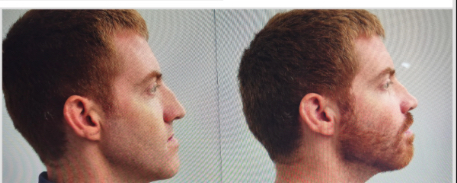
Studies show 6.1% to 9% of lefort 1 have a complication happen which is actually quite low.
Results
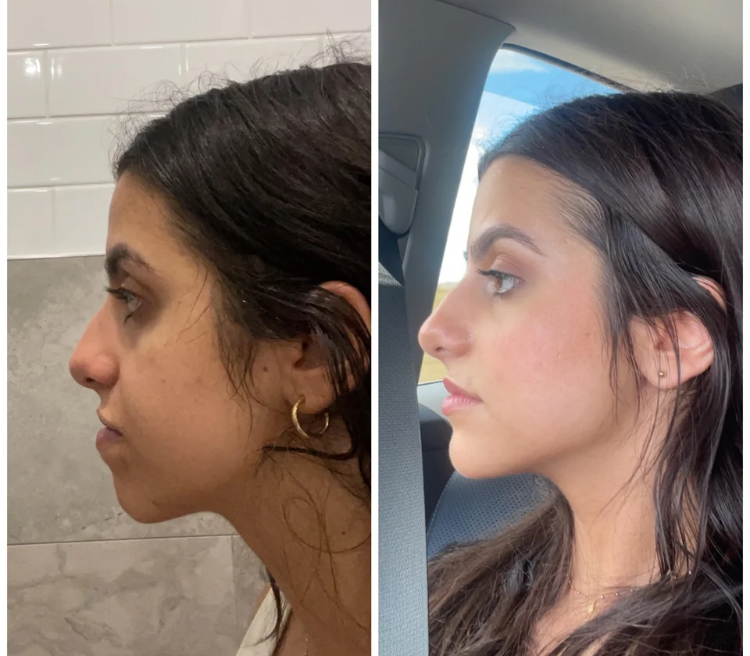
Conclusion
Effectiveness 7
Ease of getting 4
Complication rate 6
Cost 3
Overall 6
The Le Fort I osteotomy is a surgical procedure to realign the upper jaw (maxilla). This procedure is a type orthognathic surgery that is primarily performed to fix deformities of the face and jaw, improve facial aesthetics, treat malocclusions (misaligned teeth), and treat certain medical conditions. The surgery involves separating the maxilla from the rest of the skull and then repositioning it.
View attachment 4151577
Benefits
It repositions the hard palate for aesthetic purposes. The hard palate can move forwards, backwards, up or down depending on your request/ need.
Negatives
Nerve issues
Teeth/ orthodontic issues
Infection
Pain and swelling
https://pubmed.ncbi.nlm.nih.gov/7480225/#:~:text=Abstract,of each injury are hypothesized.
https://manidentalsurgery.com/orthognathic.php#:~:text=Nonvitality of teeth near the osteotomy site,the involved tooth at a later date.
https://www.healthdirect.gov.au/surgery/maxillary-le-fort-1-osteotomy#:~:text=slipping of the jaw bones,by your orthodontist using braces.
https://manidentalsurgery.com/orthognathic.php#:~:text=Nonvitality of teeth near the osteotomy site,the involved tooth at a later date.
https://www.healthdirect.gov.au/surgery/maxillary-le-fort-1-osteotomy#:~:text=slipping of the jaw bones,by your orthodontist using braces.
Cost
£10,000- £35,000
Depending on the doctor but I wouldn’t pay over £20,000
Recovery
Expected recovery
Anecdotal recovery from @chrishel so you’d know what to expect
“i had no pain ever
if you have titanium plates, you can have start soft food within a few weeks
with lefort your nose will be severely congested with a hardened bloodmucus mix for several weeks
speaking was impossible for about a week.
for 3 weeks more it was but possible but difficult
lefort area sensation came back within 1 month for me
still don't have all my chin and lower lip back but coming back slowly
only soft food until around 2 months
at 2 months i could eat most foods, but held off on things like baguettes and steak until 3 months
swelling lasts a very long time. according to recent research 20% on average remains at 6 months, 10% remains at 1 year. And it sticks around in the paranasal area, which makes you look bloated for a long time. But most probably look "natural" to others by 2 to 3 months. It's still going down for me. You read a lot on jaw surgery reddit and other sites of people saying "my swelling was gone by 2 months!" no it hasnt. It's just they decide the moment they begin liking their new look is when the swelling is gone.
takes over a year for bone to fill in the gaps but by 6 to 8 months it has been filled with porous prebone
2 months before you can go back to the gym. probably 6 months to a year before you can do mma again. Those are very high risk activities.”
Complication rate
Studies show 6.1% to 9% of lefort 1 have a complication happen which is actually quite low.
Results
Conclusion
Effectiveness 7
Ease of getting 4
Complication rate 6
Cost 3
Overall 6
Intro
Le Fort II is a type of pyramidal midface fracture that involves the separation of the central midface, including the upper jaw, nose, and both lower orbital rims from the skull
Benefits
This surgical procedure involves repositioning the midface to create a more proportionate and aesthetically pleasing facial appearance. It targets the hard palate, nose and maxilla
Negatives
Increased Mortality and Intracranial Injury
Visual Deficits
Malocclusion
Nasal Obstruction
Nerve damage
Cost
£20,000-£45,000
Recovery
Expected recovery
Day 1-7
Only liquid food diet
A lot of pain
Week 1-6
Significant swelling
You can gradually add soft foods
You can start light activity like walking again
Month 2-6
Swelling goes down
Still soft foods
Regular follow ups from surgeon
Be careful at activities
Month 6-12
Swelling goes away
You can have solid food again
You can do normal activities
Complication rate
Mortality rate of 1.9%
Complication rate 19% to 21%
Results
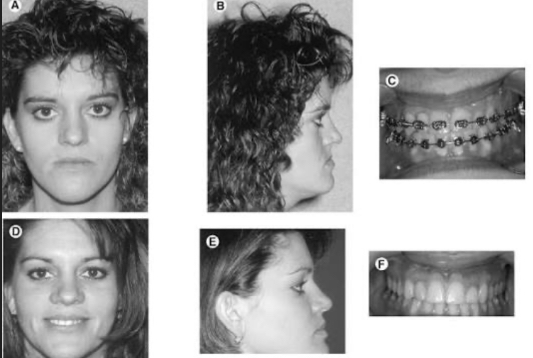
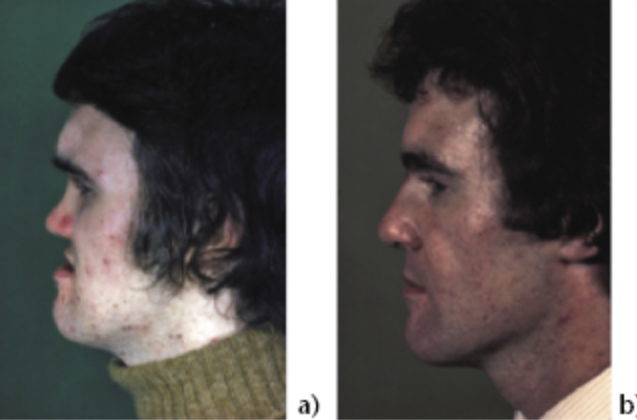
Conclusion
Effectiveness 8
Ease of getting 2
Complication rate 5
Cost 2
Overall 5
Le Fort II is a type of pyramidal midface fracture that involves the separation of the central midface, including the upper jaw, nose, and both lower orbital rims from the skull
Benefits
This surgical procedure involves repositioning the midface to create a more proportionate and aesthetically pleasing facial appearance. It targets the hard palate, nose and maxilla
Negatives
Increased Mortality and Intracranial Injury
Visual Deficits
Malocclusion
Nasal Obstruction
Nerve damage
Cost
£20,000-£45,000
Recovery
Expected recovery
Day 1-7
Only liquid food diet
A lot of pain
Week 1-6
Significant swelling
You can gradually add soft foods
You can start light activity like walking again
Month 2-6
Swelling goes down
Still soft foods
Regular follow ups from surgeon
Be careful at activities
Month 6-12
Swelling goes away
You can have solid food again
You can do normal activities
Complication rate
Mortality rate of 1.9%
Complication rate 19% to 21%
Conclusion
Effectiveness 8
Ease of getting 2
Complication rate 5
Cost 2
Overall 5
Intro
A Le Fort III is a complex craniofacial surgery that separates the entire midface (upper jaw, nose, cheekbones, and lower eye sockets) from the skull to reposition it forward.
Benefits
provides significant aesthetic benefits by repositioning the entire midface. This repositions the cheeks, upper jaw, nose, and lower orbital rims
Negatives
Vision and Eye Problems
CSF Leakage
Nerve Damage
Airway Obstruction
Meningitis and Seizures
Increased Mortality Risk
Cost
Around £35,000- £60,000
Recovery
Expected recovery
“They said the operation took 6.5 hours and I was out for 8. When I woke up it took my brain a good moment to crank up and even realize that I had the surgery at all, I really couldn’t tell. I was completely out of it due to the anesthesia and intensity of the operation. Because of a potential risk for malignant hyperthermia, they had used a fully intravenous anesthetic combo which I’ll copy/paste: Rocuronium, Propofol, FentaNYL, Ketamine, HYDROmorphone. I’m not sure how common/uncommon it is for all those to be used in conjunction but I’ve had like 6 or so surgeries by now and, in terms of the drugs, this one absolutely floored me. When I was looking at the reports online weeks later, I saw they had made a diagnosis of “toxic encephalopathy from sedating medications.” I was trapped in some dream-like dissociated state for the duration of the hospital stay and I don’t know how to explain it but it felt like psychological torture because I couldn’t come to my senses or break free from of it.
I spent 3 days in the hospital and was served ice cream and soup but was mostly unable to have any of it because I kept choking every time I tried to sip anything. I wasn’t even able to drink water without immediately choking. Looking it back it felt both crushing and humbling because I was fully incapable of nourishing myself and relied mostly on IV fluids. My mouth felt like when you’re getting molds of your teeth made but 10x worse, but I just pretended to not acknowledge it and all was fine. I was also put on oxygen during the stay as apparently I wasn’t breathing effectively enough on my own and had developed pneumonia and “acute respiratory failure with hypoxia” and atelectasis, whatever all that’s about.
I couldn’t stand or walk on my own for the first 1.5-2 days and was still weak and unsteady for the few weeks following. But I would partly attribute a good chunk of the early post-op struggles to the anesthetics and me being 110 pounds at the time of operation; I wasn’t exactly the strongest patient to begin with.
There was this clear liquid (most likely tears) constantly dripping from my nose and onto my chest, soaking through my hospital gown and any towels they would put there. The thing is that it was freezing cold and would not stop, which made it impossible for me to sleep or feel a bit of comfort. During the experience it kinda felt like some twisted torture method or something, I was completely powerless to make any of it stop.
My eyes were swollen shut for 14 days and my nose was fully blocked with solid, dark blood for even longer than that. I was able to force my eyes open for a few seconds at a time but of course my vision was too blurry to make anything out. For at least about 4 weeks my vision was blurred like very teary eyes or a car windshield in pouring rain. My throat also hurt a ton for about 3 weeks from the intubation which was just a bit annoying. My eyebrows and forehead were paralyzed for many months in that I couldn’t raise my eyebrows or move them at all. My face, the upper lips and cheek in particular, were numb and felt very swollen and thick for many months. But, as with everything else, this all fully resolved within the first year.
I was on a full liquid diet for 2 months before moving to very soft foods and gradually returning to more normal foods over the next several months. I had to take a break from school so I had nothing but free time which honestly made for some of the best, coziest days I’ve had in a long time. I forced myself to keep my eyes open on the 15th day so I could just sit and watch YouTube during the dark, early mornings every day and it was so nice.
A couple months post-op I began having what are called “zingers” in my forehead and scalp that would occur spontaneously. It felt like a very deep, jarring sting like you’re being stabbed by a needle from the inside out. But they lasted like half a second each and are a sign of nerve regeneration/healing and had completely stopped within the first year post-op.
I used to have a sensitive/tender sensation in my temples if I bit down too hard on tough/crunchy food and I believe that is because the “deep temporal fascia” had to be incised during the operation. That too has completely healed within the first year, I have been able to use my jaws with full mobility and force for a while now with no complaints. Even if I try to overexert and stretch/bite too hard, I experience no issues or hindrances of any kind. Aside from drastic functional and visual improvement, there’s no sensory differences or indication that any surgery had even been done and I’m not sure whether that’s normal or insane relative to what most people experience.”
Complication rate
Mortality rate 2.68%
Complications 17.4%
Results
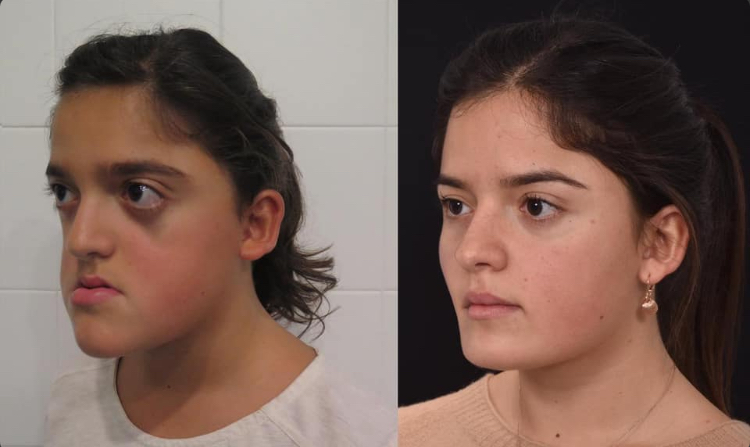
Conclusion
Effectiveness 9
Ease of getting 1
Complication rate 4
Cost 1
Overall 6
A Le Fort III is a complex craniofacial surgery that separates the entire midface (upper jaw, nose, cheekbones, and lower eye sockets) from the skull to reposition it forward.
Benefits
provides significant aesthetic benefits by repositioning the entire midface. This repositions the cheeks, upper jaw, nose, and lower orbital rims
Negatives
Vision and Eye Problems
CSF Leakage
Nerve Damage
Airway Obstruction
Meningitis and Seizures
Increased Mortality Risk
Cost
Around £35,000- £60,000
Recovery
Expected recovery
“They said the operation took 6.5 hours and I was out for 8. When I woke up it took my brain a good moment to crank up and even realize that I had the surgery at all, I really couldn’t tell. I was completely out of it due to the anesthesia and intensity of the operation. Because of a potential risk for malignant hyperthermia, they had used a fully intravenous anesthetic combo which I’ll copy/paste: Rocuronium, Propofol, FentaNYL, Ketamine, HYDROmorphone. I’m not sure how common/uncommon it is for all those to be used in conjunction but I’ve had like 6 or so surgeries by now and, in terms of the drugs, this one absolutely floored me. When I was looking at the reports online weeks later, I saw they had made a diagnosis of “toxic encephalopathy from sedating medications.” I was trapped in some dream-like dissociated state for the duration of the hospital stay and I don’t know how to explain it but it felt like psychological torture because I couldn’t come to my senses or break free from of it.
I spent 3 days in the hospital and was served ice cream and soup but was mostly unable to have any of it because I kept choking every time I tried to sip anything. I wasn’t even able to drink water without immediately choking. Looking it back it felt both crushing and humbling because I was fully incapable of nourishing myself and relied mostly on IV fluids. My mouth felt like when you’re getting molds of your teeth made but 10x worse, but I just pretended to not acknowledge it and all was fine. I was also put on oxygen during the stay as apparently I wasn’t breathing effectively enough on my own and had developed pneumonia and “acute respiratory failure with hypoxia” and atelectasis, whatever all that’s about.
I couldn’t stand or walk on my own for the first 1.5-2 days and was still weak and unsteady for the few weeks following. But I would partly attribute a good chunk of the early post-op struggles to the anesthetics and me being 110 pounds at the time of operation; I wasn’t exactly the strongest patient to begin with.
There was this clear liquid (most likely tears) constantly dripping from my nose and onto my chest, soaking through my hospital gown and any towels they would put there. The thing is that it was freezing cold and would not stop, which made it impossible for me to sleep or feel a bit of comfort. During the experience it kinda felt like some twisted torture method or something, I was completely powerless to make any of it stop.
My eyes were swollen shut for 14 days and my nose was fully blocked with solid, dark blood for even longer than that. I was able to force my eyes open for a few seconds at a time but of course my vision was too blurry to make anything out. For at least about 4 weeks my vision was blurred like very teary eyes or a car windshield in pouring rain. My throat also hurt a ton for about 3 weeks from the intubation which was just a bit annoying. My eyebrows and forehead were paralyzed for many months in that I couldn’t raise my eyebrows or move them at all. My face, the upper lips and cheek in particular, were numb and felt very swollen and thick for many months. But, as with everything else, this all fully resolved within the first year.
I was on a full liquid diet for 2 months before moving to very soft foods and gradually returning to more normal foods over the next several months. I had to take a break from school so I had nothing but free time which honestly made for some of the best, coziest days I’ve had in a long time. I forced myself to keep my eyes open on the 15th day so I could just sit and watch YouTube during the dark, early mornings every day and it was so nice.
A couple months post-op I began having what are called “zingers” in my forehead and scalp that would occur spontaneously. It felt like a very deep, jarring sting like you’re being stabbed by a needle from the inside out. But they lasted like half a second each and are a sign of nerve regeneration/healing and had completely stopped within the first year post-op.
I used to have a sensitive/tender sensation in my temples if I bit down too hard on tough/crunchy food and I believe that is because the “deep temporal fascia” had to be incised during the operation. That too has completely healed within the first year, I have been able to use my jaws with full mobility and force for a while now with no complaints. Even if I try to overexert and stretch/bite too hard, I experience no issues or hindrances of any kind. Aside from drastic functional and visual improvement, there’s no sensory differences or indication that any surgery had even been done and I’m not sure whether that’s normal or insane relative to what most people experience.”
A anecdote from Reddit by
Complication rate
Mortality rate 2.68%
Complications 17.4%
Results
Conclusion
Effectiveness 9
Ease of getting 1
Complication rate 4
Cost 1
Overall 6
Intro
shortened term for bimaxillary surgery, also known as double jaw surgery, a procedure that repositions both the upper and lower jaws. It combines two procedures lefort 1 and mandibular osteotomy
Benefits
You can reposition the upper and lower jaw for your choosing
Negatives
Paraesthesia
nerve damage may be permanent
Open bite
Jaw fracture
TMJ disorder
Bleeding and infection
Stiffness
Hearing changes
Cost
Around £10,000
Recovery
Expected recovery
“Probably one of the most difficult experiences I've ever had to go through physically. I was one of the unlucky ones and had severe swelling post-op, which when combined with having your jaws wired shut and your nose blocked with dried blood makes breathing almost impossible. In the first 3 days of recovery I had two panic attacks because I was so worried that I would vomit from swallowing so much blood and it wouldn't have anywhere to go...
I was on a purely liquid diet for 6 weeks (even lumpy soup had to be blended until it was completely liquid), and then I had my jaw unwired and could eat mushy food that could be eaten without chewing. At 8 weeks I started to chew soft food very very slowly”
Complication rate
Complication rate is 1-7%
Results
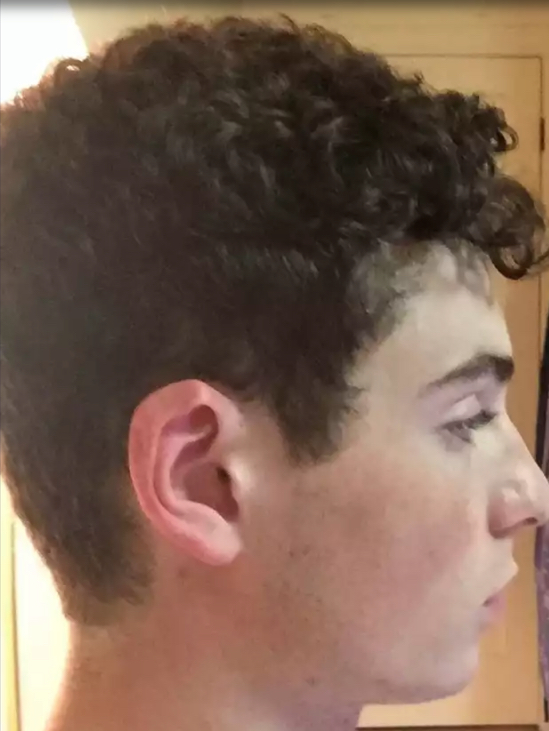
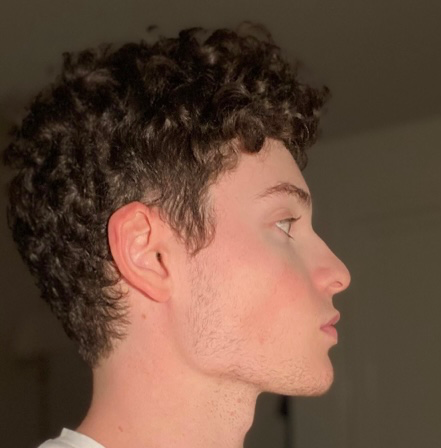
Conclusion
Effectiveness 8
Ease of getting 3
Complication rate 6
Cost 2
Overall 6
shortened term for bimaxillary surgery, also known as double jaw surgery, a procedure that repositions both the upper and lower jaws. It combines two procedures lefort 1 and mandibular osteotomy
Benefits
You can reposition the upper and lower jaw for your choosing
Negatives
Paraesthesia
nerve damage may be permanent
Open bite
Jaw fracture
TMJ disorder
Bleeding and infection
Stiffness
Hearing changes
https://www.healthline.com/health/double-jaw-surgery#:~:text=Lip numbness.,risks, talk to your surgeon.
https://www.stgeorges.nhs.uk/wp-content/uploads/2024/09/MAX_BSR.pdf
https://pmc.ncbi.nlm.nih.gov/articles/PMC5342970/#:~:text=They observed intraoperative complications including,, and relapse (4%).
https://pmc.ncbi.nlm.nih.gov/articles/PMC3901899/
https://celalcandirli.com/en/bimaxillary-osteotomy-double-jaw-surgery#:~:text=Like any surgical procedure, bimaxillary,or issues with bone healing.
https://pmc.ncbi.nlm.nih.gov/articles/PMC5342970/#:~:text=They observed intraoperative complications including,, and relapse (4%).
https://www.ouh.nhs.uk/media/vd1pnj00/121105jawsurgery.pdf
https://www.stgeorges.nhs.uk/wp-content/uploads/2024/09/MAX_BSR.pdf
https://pmc.ncbi.nlm.nih.gov/articles/PMC5342970/#:~:text=They observed intraoperative complications including,, and relapse (4%).
https://pmc.ncbi.nlm.nih.gov/articles/PMC3901899/
https://celalcandirli.com/en/bimaxillary-osteotomy-double-jaw-surgery#:~:text=Like any surgical procedure, bimaxillary,or issues with bone healing.
https://pmc.ncbi.nlm.nih.gov/articles/PMC5342970/#:~:text=They observed intraoperative complications including,, and relapse (4%).
https://www.ouh.nhs.uk/media/vd1pnj00/121105jawsurgery.pdf
Cost
Around £10,000
Recovery
Expected recovery
“Probably one of the most difficult experiences I've ever had to go through physically. I was one of the unlucky ones and had severe swelling post-op, which when combined with having your jaws wired shut and your nose blocked with dried blood makes breathing almost impossible. In the first 3 days of recovery I had two panic attacks because I was so worried that I would vomit from swallowing so much blood and it wouldn't have anywhere to go...
I was on a purely liquid diet for 6 weeks (even lumpy soup had to be blended until it was completely liquid), and then I had my jaw unwired and could eat mushy food that could be eaten without chewing. At 8 weeks I started to chew soft food very very slowly”
Anecdote from Reddit
Complication rate
Complication rate is 1-7%
Results
Conclusion
Effectiveness 8
Ease of getting 3
Complication rate 6
Cost 2
Overall 6
Intro
variation of bimaxillary surgery where the maxilla (upper jaw) and mandible (lower jaw) are moved forward and then rotated upwards in a counterclockwise direction
Benefits
The overall aesthetic goal of a CCW rotation is to achieve a more aesthetically pleasing, shorter, and balanced lower facial third
Negatives
Overtly shortening of the jaw
Airway Restriction
Nerve Injury
Bleeding and Infection
Cost
£15,000 to £40,000
Recovery
Expected recovery
Generally, here are some key points regarding recovery and returning to work:
Complication rate of 9.5%
Results
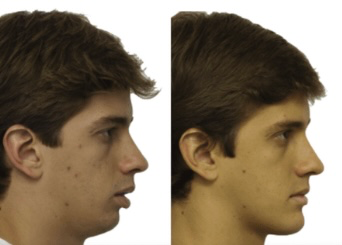
Conclusion
Effectiveness 8
Ease of getting 2
Complication rate 5
Cost 2
Overall 5
variation of bimaxillary surgery where the maxilla (upper jaw) and mandible (lower jaw) are moved forward and then rotated upwards in a counterclockwise direction
Benefits
The overall aesthetic goal of a CCW rotation is to achieve a more aesthetically pleasing, shorter, and balanced lower facial third
Negatives
Overtly shortening of the jaw
Airway Restriction
Nerve Injury
Bleeding and Infection
https://pmc.ncbi.nlm.nih.gov/articles/PMC5342970/#:~:text=They observed intraoperative complications including,, and relapse (4%).
National Institutes of Health (NIH) | (.gov)https://pubmed.ncbi.nlm.nih.govImpact of counterclockwise rotation of the occlusal plane on the mandibular ...
https://www.stgeorges.nhs.uk/wp-content/uploads/2024/09/MAX_BSR.pdf
National Institutes of Health (NIH) | (.gov)https://pubmed.ncbi.nlm.nih.govImpact of counterclockwise rotation of the occlusal plane on the mandibular ...
https://www.stgeorges.nhs.uk/wp-content/uploads/2024/09/MAX_BSR.pdf
Cost
£15,000 to £40,000
Recovery
Expected recovery
Generally, here are some key points regarding recovery and returning to work:
- Initial Recovery: Most patients experience swelling and discomfort in the first week post-surgery. During this time, a soft food diet is typically recommended, and pain management is important.
- Time Off Work: Many patients take about 1 to 2 weeks off work for initial recovery. However, if your job involves physical activity or requires clear speech, you may need up to 4 weeks or more.
- Full Recovery: Complete recovery, including the resolution of swelling and return to normal function, can take several months. Most people see significant improvement in 6 to 8 weeks, but full healing can take 3 to 6 months.
- Follow-up Appointments: Regular follow-up visits with your oral surgeon or orthodontist will be necessary to monitor your recovery and adjust treatment as needed.
Complication rate of 9.5%
Results
Conclusion
Effectiveness 8
Ease of getting 2
Complication rate 5
Cost 2
Overall 5
Intro
advanced type of orthognathic (jaw) surgery that corrects severe bite disorders and facial deformities by repositioning the upper jaw (maxilla), lower jaw (mandible), and hard palate
Benefits
The procedure repositions the upper jaw, lower jaw, and hard palate simultaneously
Negatives
Infection/ bleeding
Bite problems
TMJ issues
Cost
£15,000-£45,000
Recovery
Expected recovery
“did it hurt?
I feel like my face being fallen from the building on the concrete pavement every seconds for the first 2 weeks. I had painkiller every 4 hours fyi.
how long was recovery and did it significantly improve your smv?
3 months post-op finally can chew 80% of the foods still 15-20% swelling
did you puke blood the first night
yes
how long the rly bad stuff lasted. what was your worst moment
how did you feel waking up after the surgery
Bad stuffs lasted 3 weeks. can't eat can't talk can't sleep flat and all the swollen cheeks pushed the teeth causing indentation inside.
I saw light and somebody shaking my body for 2 mins then I gain concious and saw the nruse and my mom. The pain felt like I fell from the plane lol.”
Complication rate
12-25% complication rare
Results
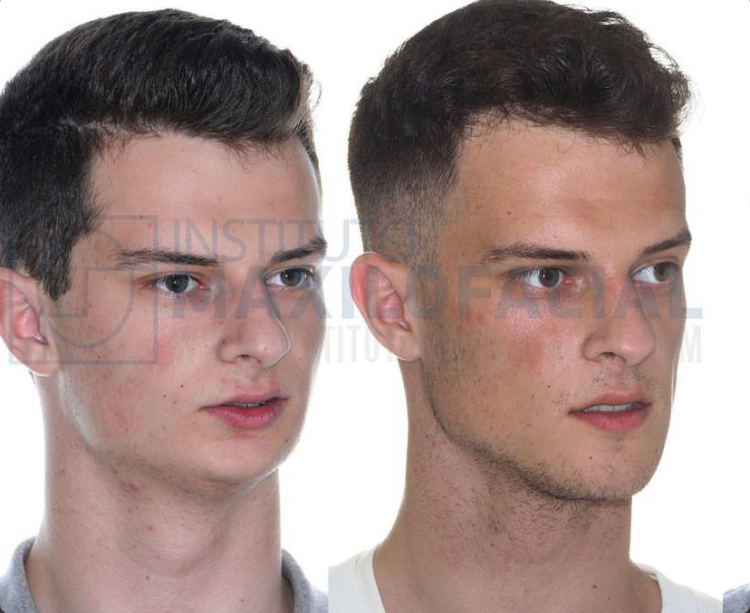
Conclusion
Effectiveness 9
Ease of getting 1
Complication rate 4
Cost 1
Overall 5
advanced type of orthognathic (jaw) surgery that corrects severe bite disorders and facial deformities by repositioning the upper jaw (maxilla), lower jaw (mandible), and hard palate
Benefits
The procedure repositions the upper jaw, lower jaw, and hard palate simultaneously
Negatives
Infection/ bleeding
Bite problems
TMJ issues
Cost
£15,000-£45,000
Recovery
Expected recovery
“did it hurt?
I feel like my face being fallen from the building on the concrete pavement every seconds for the first 2 weeks. I had painkiller every 4 hours fyi.
how long was recovery and did it significantly improve your smv?
3 months post-op finally can chew 80% of the foods still 15-20% swelling
did you puke blood the first night
yes
how long the rly bad stuff lasted. what was your worst moment
how did you feel waking up after the surgery
Bad stuffs lasted 3 weeks. can't eat can't talk can't sleep flat and all the swollen cheeks pushed the teeth causing indentation inside.
I saw light and somebody shaking my body for 2 mins then I gain concious and saw the nruse and my mom. The pain felt like I fell from the plane lol.”
This is anecdotal evidence from Bölþorn.Anabolic
Complication rate
12-25% complication rare
Results
Conclusion
Effectiveness 9
Ease of getting 1
Complication rate 4
Cost 1
Overall 5
Intro
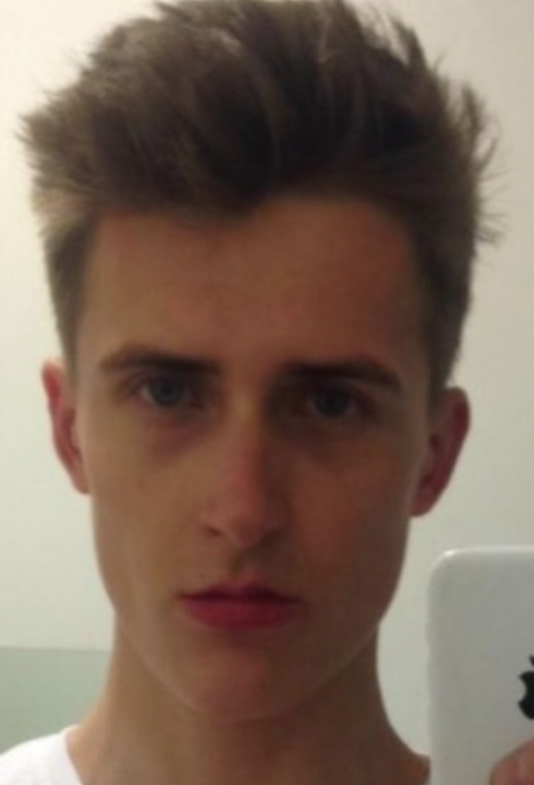
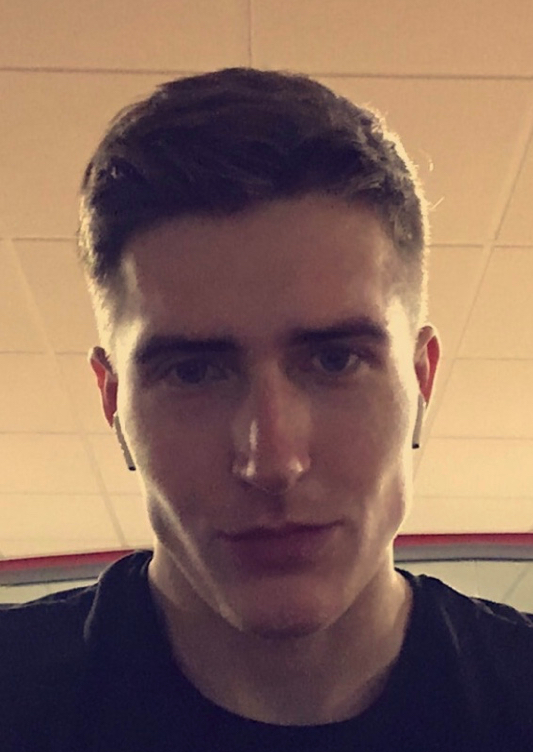
The procedure involves making small incisions, usually inside the mouth or under the eyelids, to position the customized implants over the existing cheekbones.
Benefits
surgery involves increases cheekbone size
Negatives
Infection, pain and numbness
Implant Shifting
Nerve Damage
Cost
£3,000-£7,000
Recovery
Expected recovery
Cheek implant recovery involves managing swelling, bruising, and discomfort with pain medication and cold compresses for the first 1-2 weeks. You'll need to follow a soft diet and avoid strenuous activities and contact sports for several weeks, attend follow-up appointments with your surgeon, and keep your head elevated, especially for the first 48 hours. While you may see an improvement in your appearance immediately, final results are typically visible after the swelling fully subsides in 4 to 8 weeks
Complication rate
Around 10.7%
Results
Conclusion
Effectiveness 6
Ease of getting 7
Complication rate 7
Cost 6
Overall 6
The procedure involves making small incisions, usually inside the mouth or under the eyelids, to position the customized implants over the existing cheekbones.
Benefits
surgery involves increases cheekbone size
Negatives
Infection, pain and numbness
Implant Shifting
Nerve Damage
https://pmc.ncbi.nlm.nih.gov/articles/PMC9984266/#:~:text=Furthermore, they discovered that increasing,resorption compared to nonfixated implants.&text=Regarding pain and paresthesia, they,nerve to the malar area.
https://my.clevelandclinic.org/health/procedures/cheek-implants#:~:text=What are the risks or,lumpiness or an asymmetrical look.
https://my.clevelandclinic.org/health/procedures/cheek-implants#:~:text=What are the risks or,lumpiness or an asymmetrical look.
https://my.clevelandclinic.org/health/procedures/cheek-implants#:~:text=What are the risks or,lumpiness or an asymmetrical look.
https://my.clevelandclinic.org/health/procedures/cheek-implants#:~:text=What are the risks or,lumpiness or an asymmetrical look.
Cost
£3,000-£7,000
Recovery
Expected recovery
Cheek implant recovery involves managing swelling, bruising, and discomfort with pain medication and cold compresses for the first 1-2 weeks. You'll need to follow a soft diet and avoid strenuous activities and contact sports for several weeks, attend follow-up appointments with your surgeon, and keep your head elevated, especially for the first 48 hours. While you may see an improvement in your appearance immediately, final results are typically visible after the swelling fully subsides in 4 to 8 weeks
Complication rate
Around 10.7%
Results
Conclusion
Effectiveness 6
Ease of getting 7
Complication rate 7
Cost 6
Overall 6
Intro
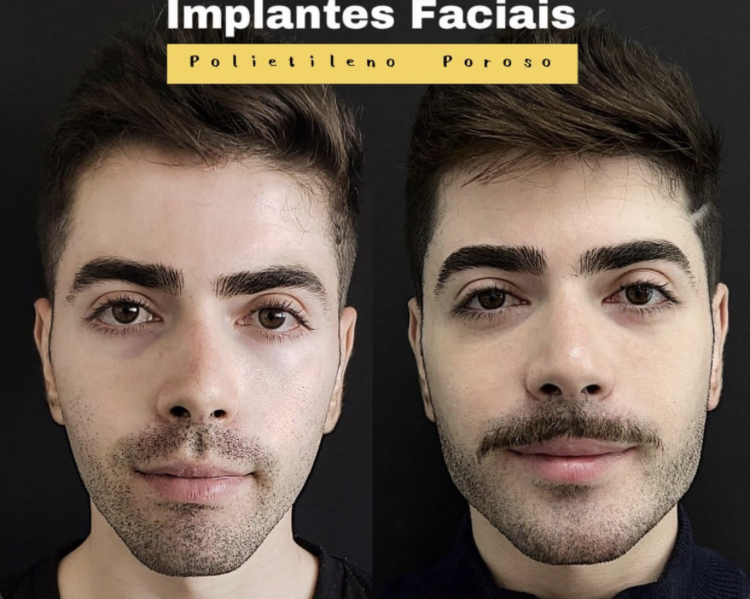
Jaw implants are a surgical procedure to place a biocompatible implant, often silicone or PEEK, to enhance a weak or poorly defined jawline
Benefits
The benefits of jaw implant surgery includes: Creating a more defined, angular jawline
Negatives
Swelling
Nerve damage, bleeding and bruising
Migration or Displacement
Extrusion
Unfavorable Scarring
Bone reabsorption
Cost
£2,000-£5,000
Recovery
Expected recovery
“It's an emotional rollercoaster. I was mentally prepared to endure a lot of pain, but the pain was minimal, not to say I didn't feel any pain at all after 3 days of my surgery. The most difficult part is the swelling. Currently, I'm 14 weeks post op and I recently started to look in the mirror and feel normal. If you decide to get jaw implants, be prepared to look like you're VERY overweight for at least 3 months. My surgeon told me I will see the final result by the 6th month. I don't regret having the surgery now, but I did feel like I screwed my face in the first 2 months, to the point I didn't want anyone to see me, not even friends or relatives”
Complication rate
Between 2% to 24% depending on the study
Results
Conclusion
Effectiveness 6
Ease of getting 7
Complication rate 6
Cost 6
Overall 6
Jaw implants are a surgical procedure to place a biocompatible implant, often silicone or PEEK, to enhance a weak or poorly defined jawline
Benefits
The benefits of jaw implant surgery includes: Creating a more defined, angular jawline
Negatives
Swelling
Nerve damage, bleeding and bruising
Migration or Displacement
Extrusion
Unfavorable Scarring
Bone reabsorption
https://pmc.ncbi.nlm.nih.gov/articles/PMC9984266/#:~:text=The reported complications include asymmetry,are given in Table 1.
https://kcmclinic.com/what-are-the-different-types-of-facial-implants/#:~:text=Are There Any Risks With,a smooth and successful recovery.
https://my.clevelandclinic.org/health/procedures/jaw-implants#:~:text=Allergic reaction to the implant,training and lifting heavy items.
https://www.mayoclinic.org/tests-procedures/dental-implant-surgery/about/pac-20384622#:~:text=Risks,one of your sinus cavities.
https://kcmclinic.com/what-are-the-different-types-of-facial-implants/#:~:text=Are There Any Risks With,a smooth and successful recovery.
https://my.clevelandclinic.org/health/procedures/jaw-implants#:~:text=Allergic reaction to the implant,training and lifting heavy items.
https://www.mayoclinic.org/tests-procedures/dental-implant-surgery/about/pac-20384622#:~:text=Risks,one of your sinus cavities.
Cost
£2,000-£5,000
Recovery
Expected recovery
“It's an emotional rollercoaster. I was mentally prepared to endure a lot of pain, but the pain was minimal, not to say I didn't feel any pain at all after 3 days of my surgery. The most difficult part is the swelling. Currently, I'm 14 weeks post op and I recently started to look in the mirror and feel normal. If you decide to get jaw implants, be prepared to look like you're VERY overweight for at least 3 months. My surgeon told me I will see the final result by the 6th month. I don't regret having the surgery now, but I did feel like I screwed my face in the first 2 months, to the point I didn't want anyone to see me, not even friends or relatives”
Anecdote from Reddit
Complication rate
Between 2% to 24% depending on the study
Results
Conclusion
Effectiveness 6
Ease of getting 7
Complication rate 6
Cost 6
Overall 6
Intro
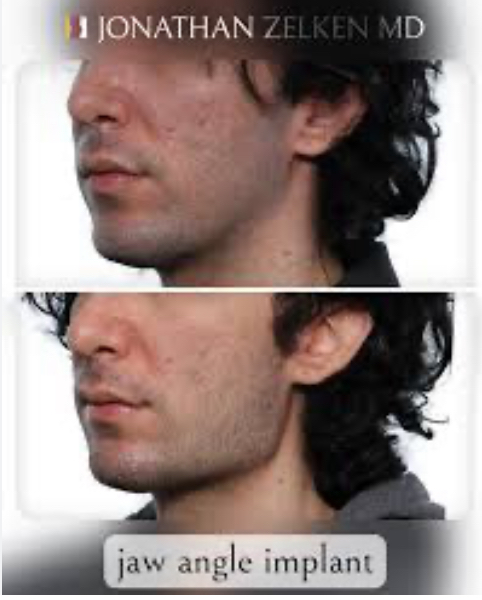
These are implants that increase the perceived size and shape of the jaw
Benefits
These implants length of the jaw for a stronger profile
Negatives
Infection, nerve damage, pain etc
Implant Shifting or Extrusion
Muscle Issues (masseter)
Cost
From $5,000 to $15,000
Recovery
Expected recovery
“Jaw angle implant recovery involves managing swelling and discomfort for the first few weeks, with soft foods required for about 4-6 weeks and a return to light activities within a week.While significant changes are often noticeable within 2-3 weeks, complete resolution of swelling and the final results may take up to 3 to 6 months, with full healing potentially taking 9-12 months”
Complication rate
Around 10%
Results
Conclusion
Effectiveness 6
Ease of getting 7
Complication rate 7
Cost 6
Overall 6
These are implants that increase the perceived size and shape of the jaw
Benefits
These implants length of the jaw for a stronger profile
Negatives
Infection, nerve damage, pain etc
Implant Shifting or Extrusion
Muscle Issues (masseter)
https://www.eppleyplasticsurgery.com/what-are-the-potential-complications-from-jaw-angle-implant-surgery/#:~:text=A: Jaw angle implants, in,implants of around 5% also.
https://my.clevelandclinic.org/health/procedures/jaw-implants#:~:text=Allergic reaction to the implant,training and lifting heavy items.
https://my.clevelandclinic.org/health/procedures/jaw-implants#:~:text=Allergic reaction to the implant,training and lifting heavy items.
Cost
From $5,000 to $15,000
Recovery
Expected recovery
“Jaw angle implant recovery involves managing swelling and discomfort for the first few weeks, with soft foods required for about 4-6 weeks and a return to light activities within a week.While significant changes are often noticeable within 2-3 weeks, complete resolution of swelling and the final results may take up to 3 to 6 months, with full healing potentially taking 9-12 months”
Complication rate
Around 10%
Results
Conclusion
Effectiveness 6
Ease of getting 7
Complication rate 7
Cost 6
Overall 6
Intro
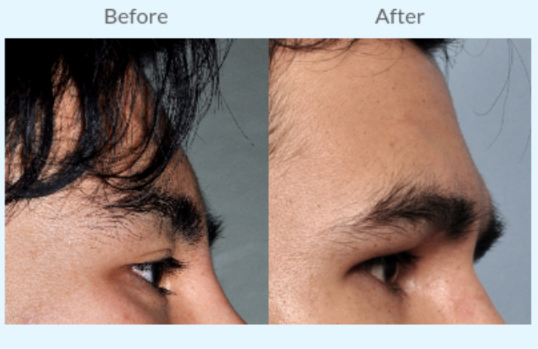
surgical implants used for brow bone augmentation to alter the projection and shape of the brow bone, making the eyes appear deeper-set and the upper face more defined
Benefits
Increase the size of your browridge in addition to lowering the eyebrows
Negatives
Infection, Bleeding, scarring etc
Contour Irregularities(swelling, irregular scarring, visible edges etc)
Nerve Manipulation
Cost
approximately $2,500 to over $50,000
Recovery
Expected recovery
“managing swelling and discomfort for the first few weeks, with significant swelling peaking around two days and gradually decreasing over several weeks. While initial activities like driving may resume in 1–2 days, and work in 7–10 days, avoiding strenuous exercise, heavy lifting, and bending is crucial for 4–6 weeks to protect the implant and allow proper healing”
Complication rate
around 10%
Results
Conclusion
Effectiveness 5
Ease of getting 5
Complication rate 6
Cost 6
Overall 5
surgical implants used for brow bone augmentation to alter the projection and shape of the brow bone, making the eyes appear deeper-set and the upper face more defined
Benefits
Increase the size of your browridge in addition to lowering the eyebrows
Negatives
Infection, Bleeding, scarring etc
Contour Irregularities(swelling, irregular scarring, visible edges etc)
Nerve Manipulation
Cost
approximately $2,500 to over $50,000
Recovery
Expected recovery
“managing swelling and discomfort for the first few weeks, with significant swelling peaking around two days and gradually decreasing over several weeks. While initial activities like driving may resume in 1–2 days, and work in 7–10 days, avoiding strenuous exercise, heavy lifting, and bending is crucial for 4–6 weeks to protect the implant and allow proper healing”
Complication rate
around 10%
Results
Conclusion
Effectiveness 5
Ease of getting 5
Complication rate 6
Cost 6
Overall 5
Intro
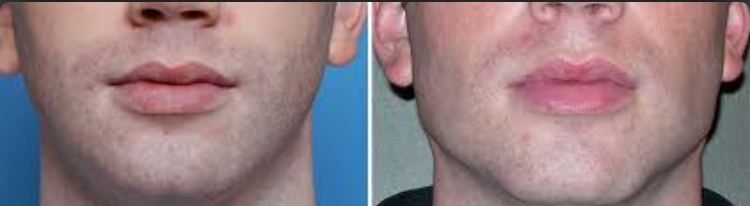
A chin implant, also known as a menthoplasty or chin augmentation surgery, is a cosmetic procedure where a solid implant, usually made of medical-grade silicone, is surgically inserted into the chin area to enhance its size, shape, projection, and definition.
Benefits
Can increase chin height, width, shape and projection
Negatives
Infection, nerve damage, scarring etc
Implant migration
Poor Cosmetic Outcome
Cost
£3,900 to over £7,000
Recovery
Expected recovery
“First 24–48 Hours: Immediate Post-Surgery Period
It is pretty much expected to have swelling and bruising in the area of the chin and jawline right after the surgery. This swelling will stay for the first couple of days. This makes it essential for the patient to follow the after-care protocol given by the team at the Estherian Clinic.
First Week After Surgery
Some pain and discomfort around the chin and jaw area will stay during the first week after the surgery. This week is a crucial time in the healing process of the chin implant procedure. Since this is the time when most of the swelling and bruising is expected to die down, the patient will be instructed to get lots of rest. While patients are advised to wait 10 days before continuing with their routine, they need to monitor their healing progress to make sure everything is going as expected. Proper oral hygiene is also required to help with better healing.
Weeks 2 to 4: Stitches and Early Results
Week 2 will also involve a massive reduction in swelling. With each passing week, the patient will see an improvement in the appearance of their chin, and their results will become more prominent. However, patients are still advised to avoid strenuous activities.
After 2 Months: Final Results and Full Healing
After the first 2 months post-surgery, the scar will begin to fade, and the implant will begin to look natural and settle. The final results involve better chin projection and an overall more sculpted chin and jawline area. “
Complication rate
Around 7%
Results
Conclusion
Effectiveness 7
Ease of getting 8
Complication rate 7
Cost 7
Overall 7
A chin implant, also known as a menthoplasty or chin augmentation surgery, is a cosmetic procedure where a solid implant, usually made of medical-grade silicone, is surgically inserted into the chin area to enhance its size, shape, projection, and definition.
Benefits
Can increase chin height, width, shape and projection
Negatives
Infection, nerve damage, scarring etc
Implant migration
Poor Cosmetic Outcome
Cost
£3,900 to over £7,000
Recovery
Expected recovery
“First 24–48 Hours: Immediate Post-Surgery Period
It is pretty much expected to have swelling and bruising in the area of the chin and jawline right after the surgery. This swelling will stay for the first couple of days. This makes it essential for the patient to follow the after-care protocol given by the team at the Estherian Clinic.
First Week After Surgery
Some pain and discomfort around the chin and jaw area will stay during the first week after the surgery. This week is a crucial time in the healing process of the chin implant procedure. Since this is the time when most of the swelling and bruising is expected to die down, the patient will be instructed to get lots of rest. While patients are advised to wait 10 days before continuing with their routine, they need to monitor their healing progress to make sure everything is going as expected. Proper oral hygiene is also required to help with better healing.
Weeks 2 to 4: Stitches and Early Results
Week 2 will also involve a massive reduction in swelling. With each passing week, the patient will see an improvement in the appearance of their chin, and their results will become more prominent. However, patients are still advised to avoid strenuous activities.
After 2 Months: Final Results and Full Healing
After the first 2 months post-surgery, the scar will begin to fade, and the implant will begin to look natural and settle. The final results involve better chin projection and an overall more sculpted chin and jawline area. “
Anecdote from
https://estherian.com/chin-implant-recovery/
https://estherian.com/chin-implant-recovery/
Complication rate
Around 7%
Results
Conclusion
Effectiveness 7
Ease of getting 8
Complication rate 7
Cost 7
Overall 7
Intro
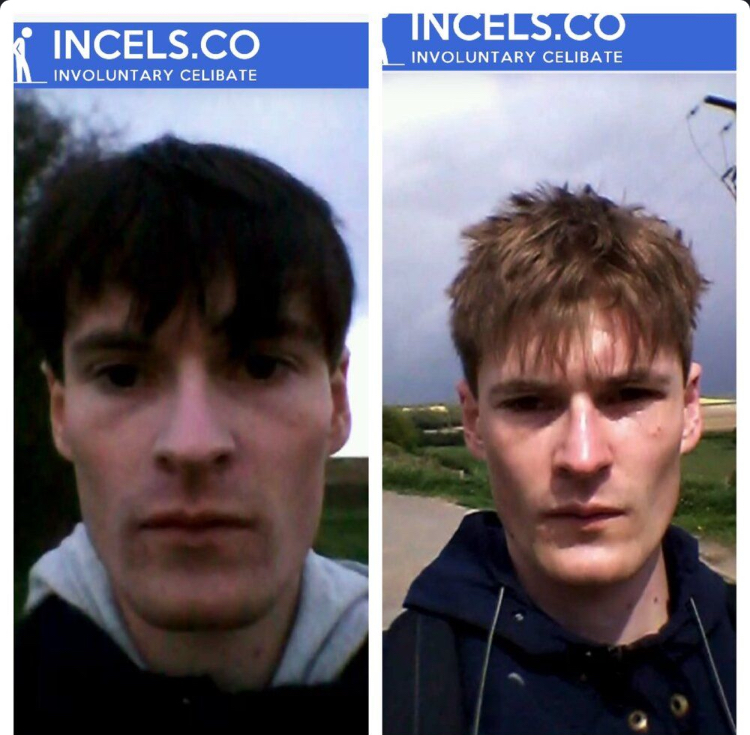
often custom-made from materials like silicone, Medpore, or titanium, used in cosmetic or reconstructive surgery to correct bony deficiencies in the lower eye socket and cheek area
Benefits
Will improve eye orbits and under eye area
Negatives
Lower Eyelid Issues
Swelling and Bruising
Infection, scarring and nerve damage etc
Chemosis
Cost
approximately $6,500 to over $10,000
Recovery
Expected recovery
Days 1-7
Complication rate
Around 15%
Results
Conclusion
Effectiveness 7
Ease of getting 3
Complication rate 6
Cost 4
Overall 6
often custom-made from materials like silicone, Medpore, or titanium, used in cosmetic or reconstructive surgery to correct bony deficiencies in the lower eye socket and cheek area
Benefits
Will improve eye orbits and under eye area
Negatives
Lower Eyelid Issues
Swelling and Bruising
Infection, scarring and nerve damage etc
Chemosis
Cost
approximately $6,500 to over $10,000
Recovery
Expected recovery
Days 1-7
- Swelling and Bruising: Expect significant swelling and bruising, with the worst swelling often on day 3. The bruising may appear on your eyelids, face, and even extend to your cheeks and neck due to gravity.
- Discomfort: You may experience pain, tenderness to the touch, and tightness in the surgical area.
- Healing: The days are for resting, avoiding strenuous activities, and eating small, easily digestible meals.
- Care: Apply ice packs to the area and sleep with your head elevated to help manage swelling.
- Stitches/Tarsorrhaphy: A temporary stitch may be placed in the corner of your eye to control swelling and will be removed within 3-7 days.
- Improved Swelling: The swelling should gradually decrease day by day, but it will still be very noticeable.
- Bruising Color Changes: The bruising will change color from purple to green or yellow as it heals.
- Return to Light Activity: You can likely return to work or social outings.
- Resolving Swelling: Most of the swelling and bruising should resolve within these weeks.
- Suture Removal: Your stitches or temporary tarsorrhaphy will have been removed.
- Makeup: You may be able to use makeup after your sutures are removed and swelling has decreased.
- Final Results: While you'll look like yourself in about 14 days, the complete healing and final results can take 3-6 months.
Complication rate
Around 15%
Results
Conclusion
Effectiveness 7
Ease of getting 3
Complication rate 6
Cost 4
Overall 6
Intro
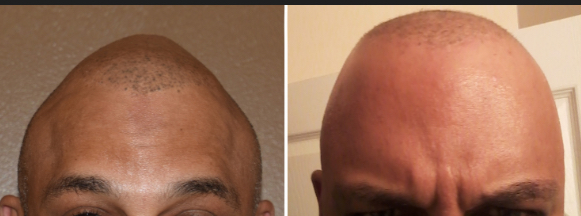
precisely shaped medical devices, made from materials like PEEK, titanium, or 3D-printed hydroxyapatite, used to reconstruct missing or damaged skull areas, restore cranial shape
Benefits
Increased cranium / skull size
Negatives
Seizures
Infection
Cerebrospinal Fluid (CSF) Leaks
Hematoma
Cost
£15,000 to £25,000
Recovery
Expected recovery
Week 1: Immediate post-surgery
Complication rate
15-30%
Results
Conclusion
Effectiveness 9
Ease of getting 2
Complication rate 3
Cost 1
Overall 3
precisely shaped medical devices, made from materials like PEEK, titanium, or 3D-printed hydroxyapatite, used to reconstruct missing or damaged skull areas, restore cranial shape
Benefits
Increased cranium / skull size
Negatives
Seizures
Infection
Cerebrospinal Fluid (CSF) Leaks
Hematoma
Cost
£15,000 to £25,000
Recovery
Expected recovery
Week 1: Immediate post-surgery
- Hospital stay: Most patients spend two to five days in the hospital for monitoring.
- Pain and discomfort: It is normal to have a headache and feel pain at the incision site, which will be managed with prescribed medication.
- Swelling and bruising: Swelling and bruising are expected, often peaking two to three days after surgery. Keeping your head elevated, even while sleeping, can help.
- Fatigue: You will feel unusually tired and will need significant rest and daytime naps.
- Head dressing: A dressing may be in place and can typically be removed after the first week.
- Stitches or staples: These are often removed 7 to 10 days after surgery during a follow-up appointment.
- Swelling reduction: Bruising and swelling will begin to subside significantly.
- Fatigue: You may still feel tired and should continue to take naps and avoid overexertion.
- Incision care: Follow your surgeon's instructions for washing the incision site and when you can begin washing your hair.
- Activity: You can start taking short walks to aid circulation. Avoid any strenuous activity, heavy lifting, or bending.
- Activity level: You can slowly increase your walking duration and gradually introduce light, low-impact activities.
- Swelling: While most noticeable swelling is gone, some residual swelling can take longer to disappear completely.
- Diet: By this point, you should be able to resume your normal diet.
- Driving: Depending on your recovery, your doctor may clear you to drive. For cosmetic implants, some surgeons permit driving sooner than for reconstructive cases.
- Work: You may be able to return to work, though a lighter schedule is recommended, as fatigue can persist.
- Physical activity: You can typically begin to resume more vigorous exercises, including light cardio and lifting objects up to 10-20 pounds. Avoid high-impact or contact sports.
- Energy: Your energy levels should steadily increase, but fatigue can still occur if you push yourself too hard.
- Follow-up: Another follow-up appointment with your surgeon is common around the six-week mark.
- Full activity: After two or three months, most patients can return to all normal activities, including more strenuous exercises.
- Final appearance: The implant will have settled, and any remaining swelling should be gone, revealing the final contour.
- Residual effects: Some numbness around the incision may still be present but will likely continue to improve
Done by AI as I can’t find any anecdotes or from sources so it might not be accurate
Complication rate
15-30%
Results
Conclusion
Effectiveness 9
Ease of getting 2
Complication rate 3
Cost 1
Overall 3
Intro
Wraparound facial implants are custom-designed, biocompatible implants that wrap around the entire lower jawline and chin
Benefits
Can change the jaw, and chin
Negatives
Infection, pain, nerve damage etc
Implant migration
Extrusion
Hematoma & Seroma
Cost
£13,000 to £20,000.
Recovery
Expected recovery
“I will sum up the custom jawline implant recovery process, which is largely related to facial swelling, by this phrase…‘There will be more swelling that you can imagine and it will take longer to go away that you ever want’. If you embrace this concept then you will be well prepared for the surgery. To put specifics to it, 50% of the swelling goes down by 10 days, 66% to 75% by three weeks and 90% to 95% by 6 weeks after surgery. I do not judge, nor do I ever do any revisions, until the final result is truly seen three months after the surgery when all swelling, tissue shrinkage and psychological adaptation to the new look has occurred. Most patients will feel comfortable going out in public somewhere between 10 to 14 days after surgery.
The most common complication after a custom jawline implant is the inability of some patients to tolerate the necessary recovery process. They can feel it is ‘too big’ and want to rush to an early revision. (downsizing or removal) While this does not happen to all patients it probably occurs in about 25% of them and can pose a stressful recovery process for both surgeon and patient.”
Complication rate
Around 10%
Results
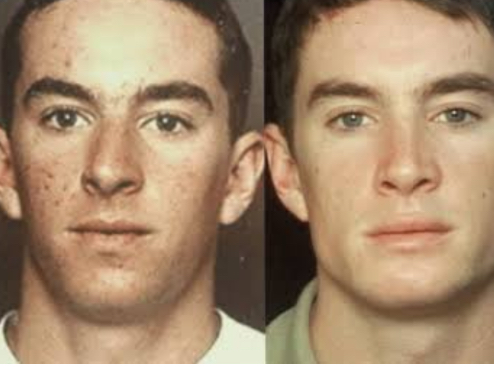
Conclusion
Effectiveness 8
Ease of getting 2
Complication rate 5
Cost 2
Overall 6
Wraparound facial implants are custom-designed, biocompatible implants that wrap around the entire lower jawline and chin
Benefits
Can change the jaw, and chin
Negatives
Infection, pain, nerve damage etc
Implant migration
Extrusion
Hematoma & Seroma
Cost
£13,000 to £20,000.
Recovery
Expected recovery
“I will sum up the custom jawline implant recovery process, which is largely related to facial swelling, by this phrase…‘There will be more swelling that you can imagine and it will take longer to go away that you ever want’. If you embrace this concept then you will be well prepared for the surgery. To put specifics to it, 50% of the swelling goes down by 10 days, 66% to 75% by three weeks and 90% to 95% by 6 weeks after surgery. I do not judge, nor do I ever do any revisions, until the final result is truly seen three months after the surgery when all swelling, tissue shrinkage and psychological adaptation to the new look has occurred. Most patients will feel comfortable going out in public somewhere between 10 to 14 days after surgery.
The most common complication after a custom jawline implant is the inability of some patients to tolerate the necessary recovery process. They can feel it is ‘too big’ and want to rush to an early revision. (downsizing or removal) While this does not happen to all patients it probably occurs in about 25% of them and can pose a stressful recovery process for both surgeon and patient.”
Complication rate
Around 10%
Results
Conclusion
Effectiveness 8
Ease of getting 2
Complication rate 5
Cost 2
Overall 6
Intro
skin bunches), and "banding" (vertical lines). The procedure involves small incisions under the chin and behind the ears, muscle tightening (platysmaplasty), and sometimes liposuction to remove fat
Benefits
addressing signs of aging and weight loss such as sagging skin, wrinkles, and loose muscles
Negatives
Infection, pain, bleeding etc
Hematomas
Numbness
Scarring
Cost
£5,000 to £10,000
Recovery
Expected recovery
If you’re looking for an anecdote I’d recommend looking at this https://www.vadoplasticsurgery.com/blog/neck-lift-surgery-at-hz-plastic-surgery/
Complication rate
less than 2%
Results
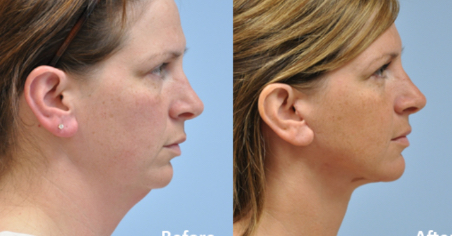
Conclusion
Effectiveness 6
Ease of getting 6
Complication rate 5
Cost 5
Overall 5
skin bunches), and "banding" (vertical lines). The procedure involves small incisions under the chin and behind the ears, muscle tightening (platysmaplasty), and sometimes liposuction to remove fat
Benefits
addressing signs of aging and weight loss such as sagging skin, wrinkles, and loose muscles
Negatives
Infection, pain, bleeding etc
Hematomas
Numbness
Scarring
https://www.cadoganclinic.com/ask-the-expert/facial-treatments/surgical-neck-lift-vs-nefertiti-neck-lift-whats-the-difference#:~:text=Cons: * Involves a longer recovery period,around the ears and under the chin.
https://baaps.org.uk/patients/procedures/12/facelift_and_necklift#:~:text=Increased or reduced sensation After,achieved with a good outcome.
https://www.nuffieldhealth.com/treatments/neck-lift#:~:text=General complications of any operation,Nerve damage
https://www.cadoganclinic.com/cosmetic-surgery/facial-surgery/neck-lift/#:~:text=The Risks of a Neck,patient and cannot be guaranteed.
https://baaps.org.uk/patients/procedures/12/facelift_and_necklift#:~:text=Increased or reduced sensation After,achieved with a good outcome.
https://www.nuffieldhealth.com/treatments/neck-lift#:~:text=General complications of any operation,Nerve damage
https://www.cadoganclinic.com/cosmetic-surgery/facial-surgery/neck-lift/#:~:text=The Risks of a Neck,patient and cannot be guaranteed.
Cost
£5,000 to £10,000
Recovery
Expected recovery
If you’re looking for an anecdote I’d recommend looking at this https://www.vadoplasticsurgery.com/blog/neck-lift-surgery-at-hz-plastic-surgery/
Complication rate
less than 2%
Results
Conclusion
Effectiveness 6
Ease of getting 6
Complication rate 5
Cost 5
Overall 5
Intro
a surgical procedure to restore lost volume in sunken upper eyelids by transferring the patient's own fat from one area of the body to the eyelid
Benefits
Reduce UEE and increases narrowness of eyes
Negatives
Bruising and Swelling
Temporary Numbness
Lumps or Skin Irregularities
Fat Necrosis
Cost
£1,000-£7,000
Recovery
Expected recovery
“you’ll have perma UEE for like 3-5 weeks don’t stress like I did lol.
If you have the money, add PRP for increased graft survival rate, costs 15k baht.
Oh and imo 2 options when it comes to donor area; belly - hurts for a good week post op - incredibly tender but zero scarring as he hides it in belly button.
Lower back - doesn’t hurt really at all, but very obvious and visible scarring, any and all scarring is easily avoidable with GHK-Cu, just pin it in belly daily post op - I didn’t do this, but it is effective.
Also if you get bad scarring, you can always dermastamp + GHK-Cu a few months post op.
One of the most important things - wear the compression suit, I only wore mine for 2 weeks, huge mistake, the fat in the donor area is all “loose” post op, so if you don’t wear it, it will essentially pool into one or two areas, for me, I now have a legit chunk of fat below my belly button in like a soft rectangle shape jfl, nothing that aqualyx + Lipolab can’t fix though (also from back it all fell to my love handles).
Make sure you don’t squint for like 4 months post op (wear sunglasses), also no gym, no running, eat a fuck load of fatty food etc. try not to indulge too much on salt as it’ll make the swelling more severe.
Unless you’re ethnic, highly recommended getting a fuck load in your lips, major halo”
Complication rate
Around 2.5%
Results
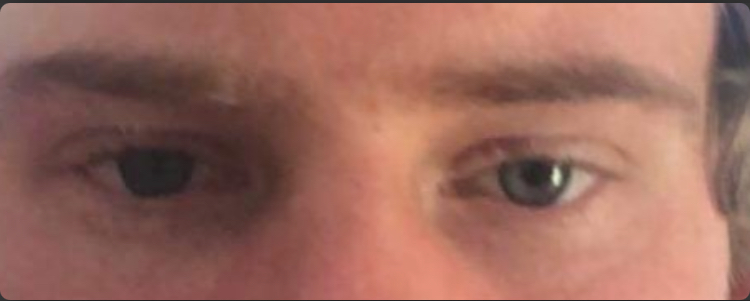
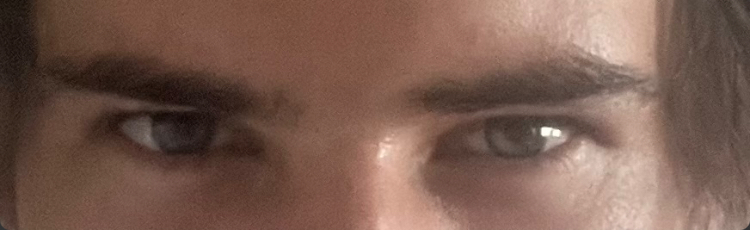
Conclusion
Effectiveness 7
Ease of getting 7
Complication rate 8
Cost 7
Overall 7
a surgical procedure to restore lost volume in sunken upper eyelids by transferring the patient's own fat from one area of the body to the eyelid
Benefits
Reduce UEE and increases narrowness of eyes
Negatives
Bruising and Swelling
Temporary Numbness
Lumps or Skin Irregularities
Fat Necrosis
https://www.sciencedirect.com/science/article/pii/S2352587818300494#:~:text=An overall complication rate of,Reported complications of fat grafting.&text=Table 5.,according to site of injection.&text=Table 6.,stratified according to procedural indication.
https://www.nhs.uk/tests-and-treatments/cosmetic-procedures/cosmetic-surgery/surgical-fat-transfer/#:~:text=Side effects to expect,during the first few months
https://pmc.ncbi.nlm.nih.gov/articles/PMC3717022/#:~:text=Complications of autogenous fat injection,to albumin or anesthetic agents.
https://www.nhs.uk/tests-and-treatments/cosmetic-procedures/cosmetic-surgery/surgical-fat-transfer/#:~:text=Side effects to expect,during the first few months
https://pmc.ncbi.nlm.nih.gov/articles/PMC3717022/#:~:text=Complications of autogenous fat injection,to albumin or anesthetic agents.
Cost
£1,000-£7,000
Recovery
Expected recovery
“you’ll have perma UEE for like 3-5 weeks don’t stress like I did lol.
If you have the money, add PRP for increased graft survival rate, costs 15k baht.
Oh and imo 2 options when it comes to donor area; belly - hurts for a good week post op - incredibly tender but zero scarring as he hides it in belly button.
Lower back - doesn’t hurt really at all, but very obvious and visible scarring, any and all scarring is easily avoidable with GHK-Cu, just pin it in belly daily post op - I didn’t do this, but it is effective.
Also if you get bad scarring, you can always dermastamp + GHK-Cu a few months post op.
One of the most important things - wear the compression suit, I only wore mine for 2 weeks, huge mistake, the fat in the donor area is all “loose” post op, so if you don’t wear it, it will essentially pool into one or two areas, for me, I now have a legit chunk of fat below my belly button in like a soft rectangle shape jfl, nothing that aqualyx + Lipolab can’t fix though (also from back it all fell to my love handles).
Make sure you don’t squint for like 4 months post op (wear sunglasses), also no gym, no running, eat a fuck load of fatty food etc. try not to indulge too much on salt as it’ll make the swelling more severe.
Unless you’re ethnic, highly recommended getting a fuck load in your lips, major halo”
Anecdote from @SteveRogers
Complication rate
Around 2.5%
Results
Conclusion
Effectiveness 7
Ease of getting 7
Complication rate 8
Cost 7
Overall 7
Intro
a surgical procedure where fat is harvested from your own body and injected into the under-eye area
Benefits
Improves undereye area as well as hollowness and dark circles
Negatives
Poor fat survival
Lumps and irregularities
Bleeding, scarring, pain etc
Cost
£3,000-£10,000
Recovery
Expected recovery
“First Day
Immediately after your procedure, you can expect swelling and bruising around the treated areas. The best way to support healing is to get plenty of rest. Follow our instructions on caring for your incision and injection sites and manage discomfort with prescribed medications.
Days 2-3
During the first couple of days, expect noticeable swelling and bruising, which is a normal part of the healing process. Keep your head elevated as much as possible to reduce swelling. You might feel some discomfort, which you can manage with pain relief medication and cold compresses. Continue to avoid any physical exertion and focus on resting, but take brief walks around your home to boost blood circulation.
Days 4-5
You’ll start to see gradual improvement as swelling and bruising begin subsiding, and you may notice a gradual improvement in your mood. It’s essential to maintain your aftercare routine, including keeping the treated areas clean and following specific care instructions. Continue light activities, such as walking, but avoid anything too strenuous.
Days 6-7
As you approach the end of the first week, you should see more noticeable changes in your swelling and bruising. The initial discomfort should decrease significantly, and you may begin to feel more like yourself. You may start to resume normal activities but avoid any heavy lifting or intense exercise.
Days 8-10
Your new facial contours become more apparent. Protect your face from sun exposure and avoid activities that might put pressure on the treated areas.
Days 11-14
Most patients can return to their normal daily routine after 2 weeks, with most visible signs of surgery having faded. Any residual swelling may remain present but will continue diminishing over the coming weeks. You can gradually reintroduce more rigorous activities but should still be cautious and listen to your body’s signals. By the second week, most patients feel comfortable going out in public with a little makeup to camouflage residual swelling or bruising.”
Complication rate
Around 2%
Results
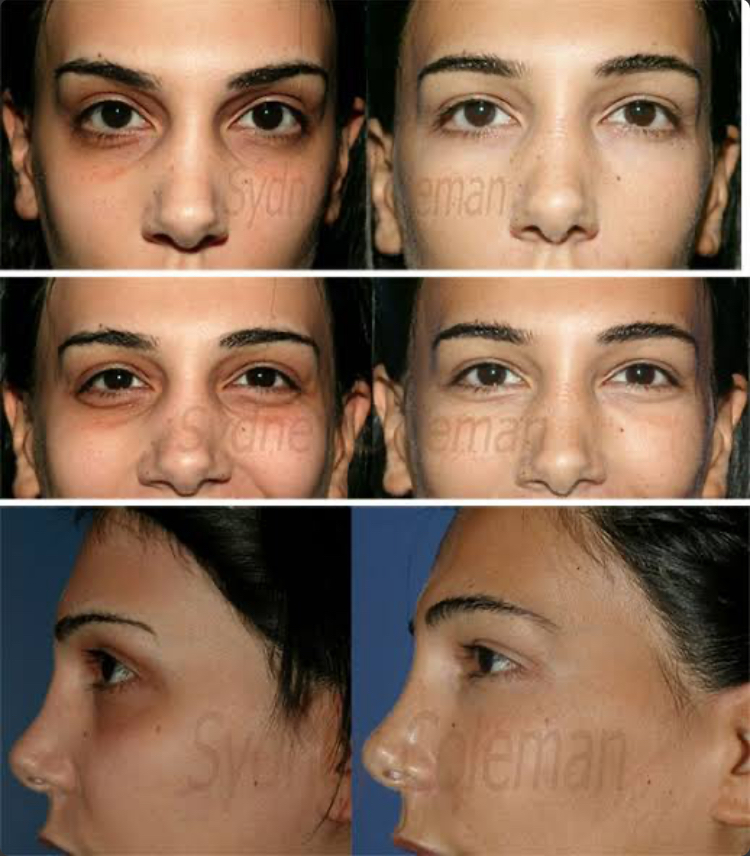
Conclusion
Effectiveness 6
Ease of getting 7
Complication rate 6
Cost 6
Overall 6
a surgical procedure where fat is harvested from your own body and injected into the under-eye area
Benefits
Improves undereye area as well as hollowness and dark circles
Negatives
Poor fat survival
Lumps and irregularities
Bleeding, scarring, pain etc
Cost
£3,000-£10,000
Recovery
Expected recovery
“First Day
Immediately after your procedure, you can expect swelling and bruising around the treated areas. The best way to support healing is to get plenty of rest. Follow our instructions on caring for your incision and injection sites and manage discomfort with prescribed medications.
Days 2-3
During the first couple of days, expect noticeable swelling and bruising, which is a normal part of the healing process. Keep your head elevated as much as possible to reduce swelling. You might feel some discomfort, which you can manage with pain relief medication and cold compresses. Continue to avoid any physical exertion and focus on resting, but take brief walks around your home to boost blood circulation.
Days 4-5
You’ll start to see gradual improvement as swelling and bruising begin subsiding, and you may notice a gradual improvement in your mood. It’s essential to maintain your aftercare routine, including keeping the treated areas clean and following specific care instructions. Continue light activities, such as walking, but avoid anything too strenuous.
Days 6-7
As you approach the end of the first week, you should see more noticeable changes in your swelling and bruising. The initial discomfort should decrease significantly, and you may begin to feel more like yourself. You may start to resume normal activities but avoid any heavy lifting or intense exercise.
Days 8-10
Your new facial contours become more apparent. Protect your face from sun exposure and avoid activities that might put pressure on the treated areas.
Days 11-14
Most patients can return to their normal daily routine after 2 weeks, with most visible signs of surgery having faded. Any residual swelling may remain present but will continue diminishing over the coming weeks. You can gradually reintroduce more rigorous activities but should still be cautious and listen to your body’s signals. By the second week, most patients feel comfortable going out in public with a little makeup to camouflage residual swelling or bruising.”
Complication rate
Around 2%
Results
Conclusion
Effectiveness 6
Ease of getting 7
Complication rate 6
Cost 6
Overall 6
Intro
a surgical procedure where fat is harvested from your own body and injected into your penis
Benefits
Increase girth and length
Negatives
Scarring, nerve damage, pain etc
Loss of sensation
Erectile Dysfunction
Cost
£3,000-£9,000
Recovery
Expected recovery
“Patients should expect a two to four week recovery period. Many patients can return to sedentary work and light activities after a few days of rest. Follow-up appointments with Dr. Emer will allow him to assess your healing and provide guidelines for gradually increasing activity levels. In general, expect to need a week or two of healing before resuming sexual activity. You will also need to avoid strenuous lifting and intense exercise for four weeks”
Complication rate
25-50%
Results
average penis girth increase of about 1.5 to 2.5 cm and a 2.3 to 2.65 cm increase in length
Conclusion
Effectiveness 5
Ease of getting 4
Complication rate 1
Cost 5
Overall 3
a surgical procedure where fat is harvested from your own body and injected into your penis
Benefits
Increase girth and length
Negatives
Scarring, nerve damage, pain etc
Loss of sensation
Erectile Dysfunction
Cost
£3,000-£9,000
Recovery
Expected recovery
“Patients should expect a two to four week recovery period. Many patients can return to sedentary work and light activities after a few days of rest. Follow-up appointments with Dr. Emer will allow him to assess your healing and provide guidelines for gradually increasing activity levels. In general, expect to need a week or two of healing before resuming sexual activity. You will also need to avoid strenuous lifting and intense exercise for four weeks”
Complication rate
25-50%
Results
average penis girth increase of about 1.5 to 2.5 cm and a 2.3 to 2.65 cm increase in length
Conclusion
Effectiveness 5
Ease of getting 4
Complication rate 1
Cost 5
Overall 3